
There is a particular silence that only Cancer and Capricorn produce together — the silence of two people sitting in the same room, both certain they are giving everything, both quietly convinced the other is giving nothing. This is the couple where one cooks the meal as a declaration of love and the other pays the mortgage as a declaration of love, and they can go a decade without realizing they have been saying the same thing in two languages neither bothered to translate. They are not opposites who attract by novelty. They are opposites who attract because each is carrying half of a single instinct — the instinct to protect — and some buried part of them knows the other half is across the table.
The Aspect Between Them

Cancer and Capricorn sit directly across the zodiac from each other, in opposition — the 180-degree axis that astrologers call the relationship axis for good reason. An opposition is not conflict in the way a square is; it is polarity, the two ends of a single spectrum staring at what they refuse to develop in themselves. This particular axis is the home-versus-world axis: the fourth house of roots, family, and the inner emotional life faces the tenth house of career, status, and public achievement. Cancer governs the private world, the kitchen, the felt interior. Capricorn governs the structure that holds it all up from the outside — the salary, the reputation, the long climb.
Add the elements and the picture sharpens. Cancer is cardinal water; Capricorn is cardinal earth. Water needs a vessel or it disperses; earth needs water or it goes hard and barren. That is the entire relationship in one sentence — feeling needs form, and form needs feeling. And both are cardinal, meaning both are initiators, both want to lead, both arrive in the relationship with a plan for how the family should run. Two architects, one house. The rulers complete it: the Moon governs Cancer, the principle of nurture, tides, the mother; Saturn governs Capricorn, the principle of limit, time, the father. This is not metaphor for them. They are, almost literally, the parental dyad — and when it works, it is the most grounded warmth in the zodiac. When it fails, it is two parents who stopped speaking, running the household out of duty.
What Attracts Them to Each Other

Each one looks at the other and sees the thing they could never give themselves. Cancer, for all its emotional fluency, lives at the mercy of its own moods — and here is Capricorn, unmoved, reliable, a person who does not flinch when the tide comes in. To Cancer that steadiness is not coldness at first; it is bedrock. Finally, someone who will not be swept away with me. Someone I can crash against and they will simply stand there. There is enormous erotic and emotional relief in that for a water sign exhausted by its own depths.
Capricorn, meanwhile, has spent a lifetime being competent and unheld. The climb is lonely; the armor was never optional. And then Cancer arrives — soft, attentive, genuinely curious about the inner life Capricorn has kept boxed and shelved since adolescence. Cancer asks how Capricorn feels, and means it, and waits. For someone who built their whole identity on what they accomplish, being wanted simply for existing is disorienting and addictive. Cancer offers the one thing Capricorn cannot manufacture through effort: unconditional tenderness. Each becomes the other's missing limb. The hook is not chemistry in the conventional sense — it is recognition, the uncanny sense of meeting the parent you needed and never quite got.
In Love

Settled into a relationship, this couple builds rather than burns. The courtship is slow and deliberate, which both of them prefer — Cancer because it needs to feel safe before it opens, Capricorn because it distrusts anything that arrives easily. They date the way other people audition for a mortgage: testing reliability, watching for follow-through, taking the other's measure over months. When they commit, they commit like it is the last decision they will ever make, because for both of them it nearly is.
Daily life develops a rhythm of complementary devotion. Cancer runs the emotional and domestic interior — remembers the birthdays, senses the bad day before it is spoken, makes the home a place worth coming back to. Capricorn runs the structural exterior — the planning, the providing, the quiet competence that lets Cancer feel held by something solid. Love here is expressed in acts more than declarations. Capricorn shows up; Capricorn fixes the thing, books the appointment, is there in the way that matters when the world goes sideways. Cancer, in turn, does the emotional labor that Capricorn cannot name but cannot live without — softening the edges, refusing to let the marriage become a logistics company. At its best it is a deeply adult love, low on drama and high on trust. The risk, even here, is that practical love can quietly replace spoken love, and Cancer in particular starves on a diet of reliability without warmth.
Trust and Emotional Safety

What Cancer needs to feel safe is emotional availability — the sense that the door is open, that its feelings will be received rather than managed, that vulnerability will be met with vulnerability and not with a solution. Cancer trusts through emotional reciprocity: show me your soft underside and I will know you are real. Capricorn needs something almost opposite — competence, consistency, the proof that this person will not destabilize the structure. Capricorn trusts through demonstrated reliability over time: do not flood me, do not test me, simply keep showing up and I will slowly believe you.
These can align beautifully, because both are loyal to the bone and neither is built for betrayal. But they can also collide at the exact pressure point. Cancer's bid for closeness — talk to me, tell me what you feel — can register to Capricorn as an emotional demand it does not know how to meet, and Capricorn's instinct under that pressure is to go quiet and capable. That quiet is precisely what reads to Cancer as abandonment. So the very gesture each makes to create safety triggers the other's alarm. The couples who make it are the ones who learn, often painfully, that Capricorn's silence is not rejection and Cancer's neediness is not instability — they are both just dialects of the same fear of being left.
Where Difficulties Arise
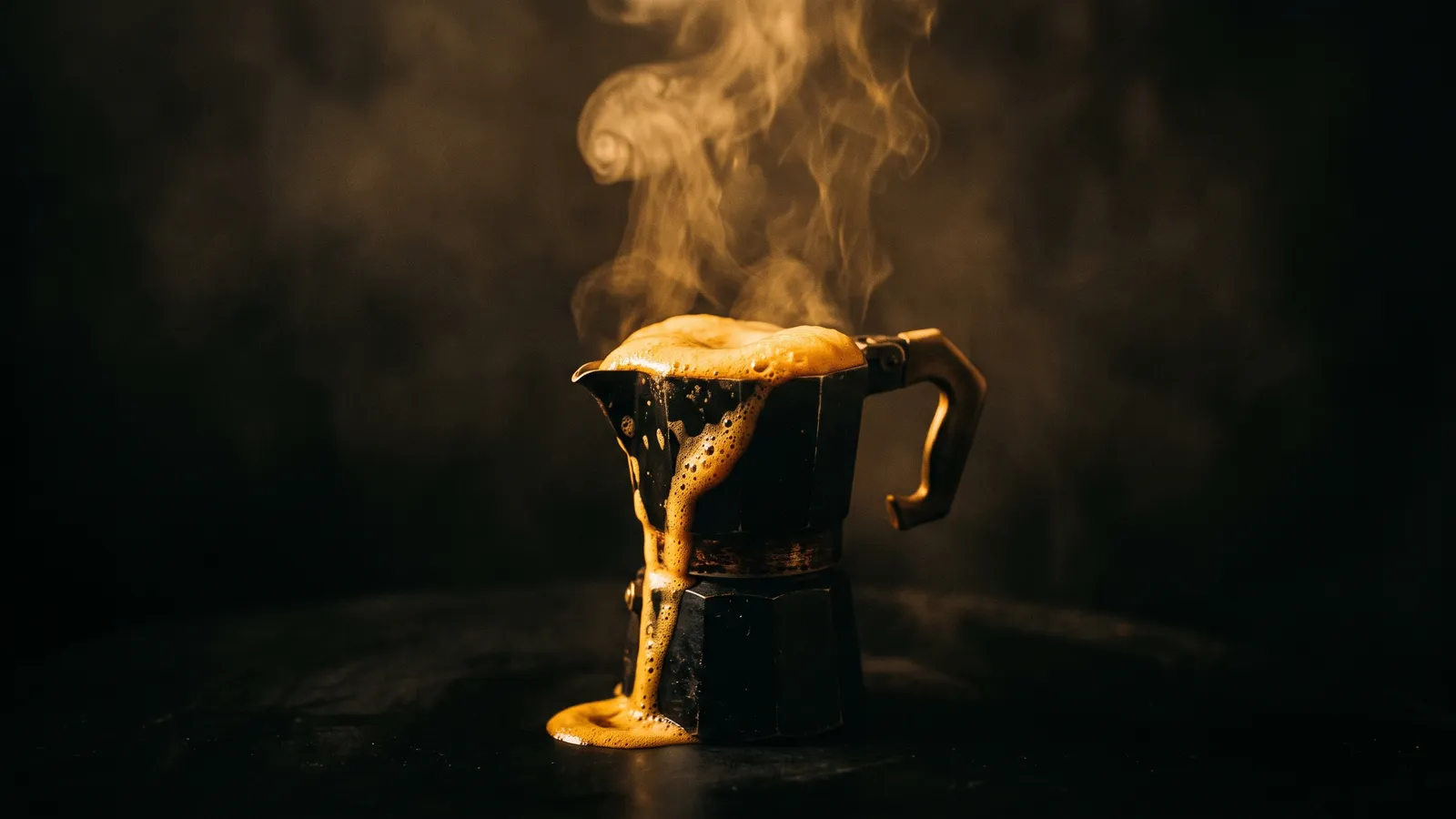
Here is the pattern, named plainly. Cancer wounds easily and processes by withdrawal — the famous retreat into the shell. Capricorn copes with stress by doubling down on control and work, going emotionally offline to manage the practical front. So when something hurts, Cancer pulls back waiting to be pursued, and Capricorn, not seeing a problem it can fix, fills the silence with productivity. Cancer reads the absence as proof of being unloved. Capricorn reads the sulking as manipulation or weakness. Each retreat confirms the other's catastrophe. This is the destructive behavior, and it is quiet, and it can run for years without a single raised voice.
The deeper friction is about what each secretly believes love is. Capricorn believes love is what you do — provision, protection, presence under fire — and can be genuinely baffled and a little contemptuous of Cancer's demand that it also be said. Cancer believes love is what you feel and reveal, and experiences Capricorn's emotional reticence as withholding, even punishment. Capricorn can become cold and dismissive, pathologizing Cancer's emotionality as drama. Cancer can become passive-aggressive and martyred, weaponizing its own hurt as a moral indictment. There is no easy fix. The honest truth is that one of them has to risk the thing it is worst at — Capricorn has to say the feeling out loud, Cancer has to stop scoring points with its wounds — and both will resist this for as long as they are allowed to.
How They Communicate
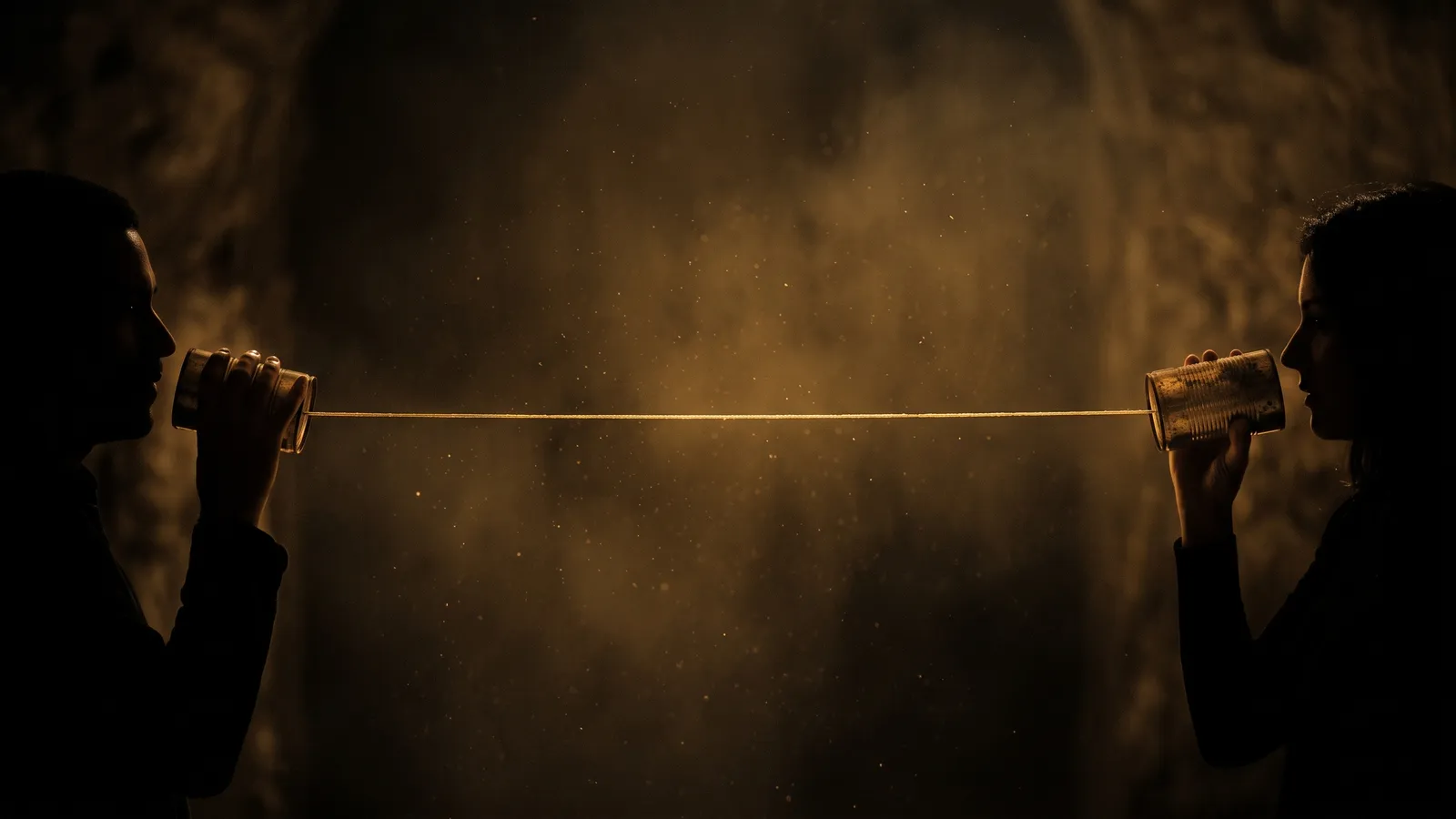
Information flows between them at two different speeds and in two different registers. Cancer communicates in tone, mood, and implication — it expects to be read, expects the partner to notice the shift in atmosphere and ask. Capricorn communicates in fact, plan, and conclusion — it says what needs saying and considers the matter closed. So Cancer drops a hint and waits to be understood; Capricorn, taking words at face value, misses the hint entirely or finds the indirection frustrating. What gets lost in translation is enormous. Cancer's whole emotional subtext evaporates against Capricorn's literalism, and Capricorn's terse competence reads to Cancer as not caring enough to elaborate.
When it works, they balance each other's excess. Capricorn teaches Cancer to say the thing directly instead of nursing it, and Cancer teaches Capricorn that the conversation is not over when the problem is solved — that sometimes there is no problem, only a person who needs to be heard. But this is learned behavior, hard-won. The default state is two people talking past each other, one wanting feeling and getting facts, the other wanting facts and getting weather.
Intimacy and Chemistry

The elemental chemistry here is earth and water — slow, gravitational, deeply physical rather than electric. Capricorn brings a controlled, surprisingly sensual intensity that thaws considerably behind closed doors, and Cancer brings emotional presence that turns the physical into something tidal and merging. For Cancer, the body is a continuation of the heart; for Capricorn, the bedroom is often the one room where the armor is permitted to come off. When trust is real, the contrast is the appeal — Cancer's softness drawing Capricorn's restraint into the open. The complete picture depends on the Venus-Mars dynamic.
Friendship

As friends, without the weight of romance and shared survival, the dynamic is far easier and genuinely warm. Capricorn becomes the friend Cancer calls when life requires a steady hand — sound advice, a plan, someone who will not panic. Cancer becomes the friend Capricorn calls when the achievements feel hollow and the loneliness of the climb sets in, the one person who asks about the interior life. They make excellent long-term, low-maintenance friends precisely because the stakes that destabilize the marriage — the daily need for emotional reciprocity, the fear of abandonment — are largely absent. They can offer each other their best halves without having to merge them.
Long Term

By year five, the structure is built — the home, the routine, the division of labor that suits them both. By year ten, the question is no longer whether they can build a life together but whether anyone still lives inside the one they built. This is the couple most at risk not of explosion but of slow vacancy: a beautifully run household, mutual respect intact, and two people who have not actually reached for each other in a long time. The mature version is the one where they have learned to override their defaults — where Capricorn has built saying I love you into the architecture the way it builds everything, deliberately, repeatedly, until it is true, and where Cancer has stopped requiring its partner to be a mind reader and started asking plainly for what it needs. When they get there, they are formidable: a partnership that has survived its own coldness and chosen warmth anyway. That choice, made consciously and renewed, is more durable than any easy compatibility.
The Cancer Woman and The Capricorn Man

This is the more culturally familiar configuration — the emotionally fluent woman and the steady, providing man — and precisely because it maps onto an old script, the trap is that both retreat into roles instead of meeting as people. The Cancer woman risks over-functioning emotionally while resenting the silence she receives; the Capricorn man risks confusing being a good provider with being a present partner. The Sun barely changes the dynamic here. What actually decides the warmth is where Venus and Mars fall — a Capricorn man with Venus in a water sign is a different animal entirely.
The Cancer Man and The Capricorn Woman

Here the polarity inverts the cultural expectation, and that is often a quiet strength — the Cancer man's natural tenderness and the Capricorn woman's ambition and self-possession can free both from scripts they never fit. He brings the emotional intelligence and domestic warmth; she brings the drive and structural backbone. The risk is that he reads her focus as emotional withholding and she reads his sensitivity as a lack of drive. Again, the Sun is only the frame. Her Moon and his Mars will tell you far more about whether this softens into devotion or hardens into mutual disappointment.
Beyond the Sun Sign
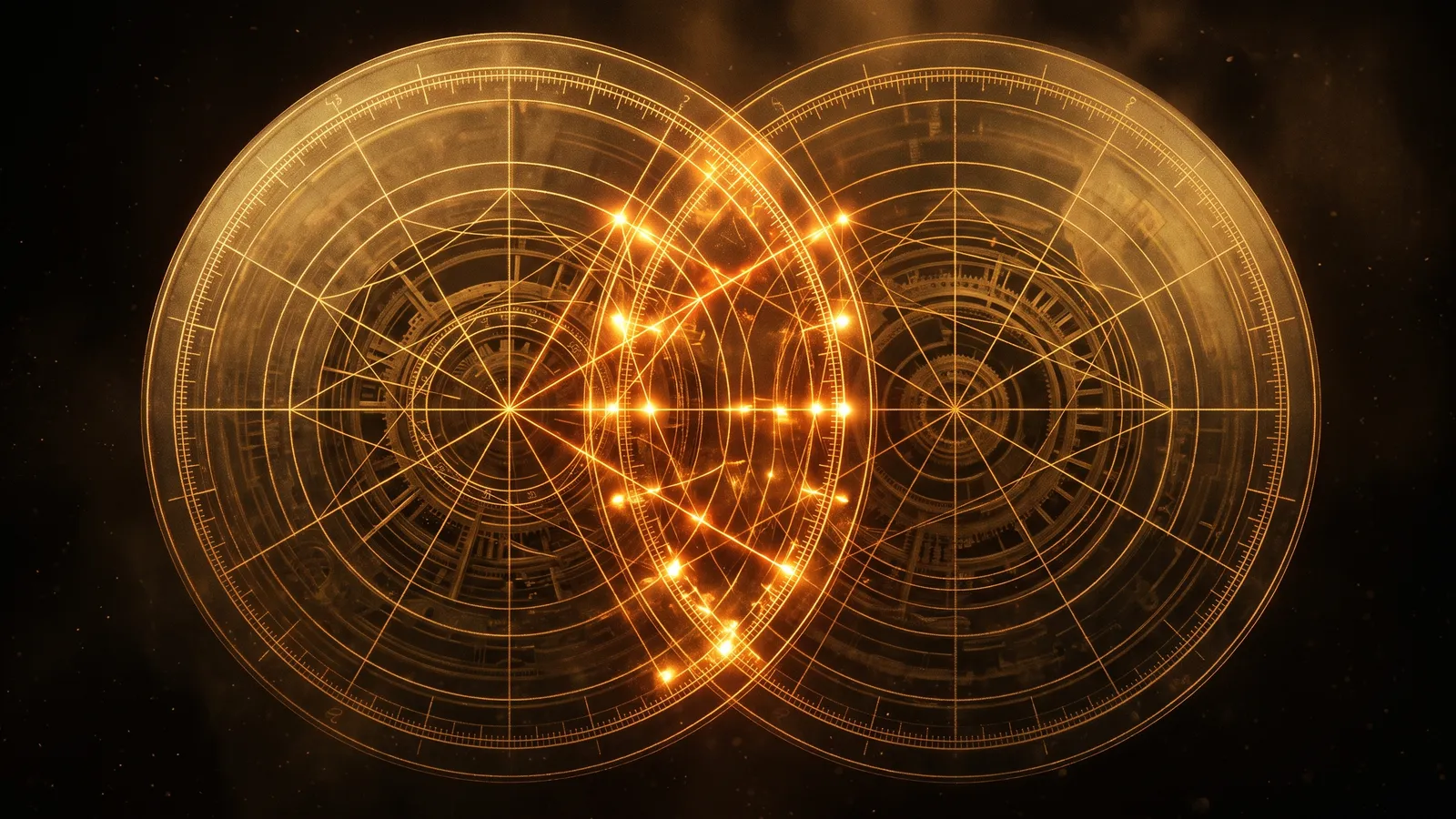
Everything written here is the architecture of two Sun signs — the roles, the polarity, the home-versus-world axis. But the Sun is only the identity each person consciously inhabits; it is the part they would name if you asked who they are. It tells you almost nothing about how they actually love. For that you need the Moon, which governs what each one needs to feel emotionally safe — and a Cancer with a Capricorn Moon, or a Capricorn with a Cancer Moon, scrambles this entire story. You need Venus, which governs how affection is given and what it finds beautiful, and Mars, which governs desire and how conflict is fought.
Two people can both be Sun-axis opposites and feel like soulmates or strangers depending entirely on whether their inner planets reach across the distance or widen it. The opposition between Cancer and Capricorn is a powerful frame, but a frame is not a portrait. To see whether the warmth actually crosses the gap — whether this becomes a marriage of two parents who chose each other or two parents who merely co-managed a life — you have to read the full synastry between the two charts, planet by planet. That is where the real story lives.